
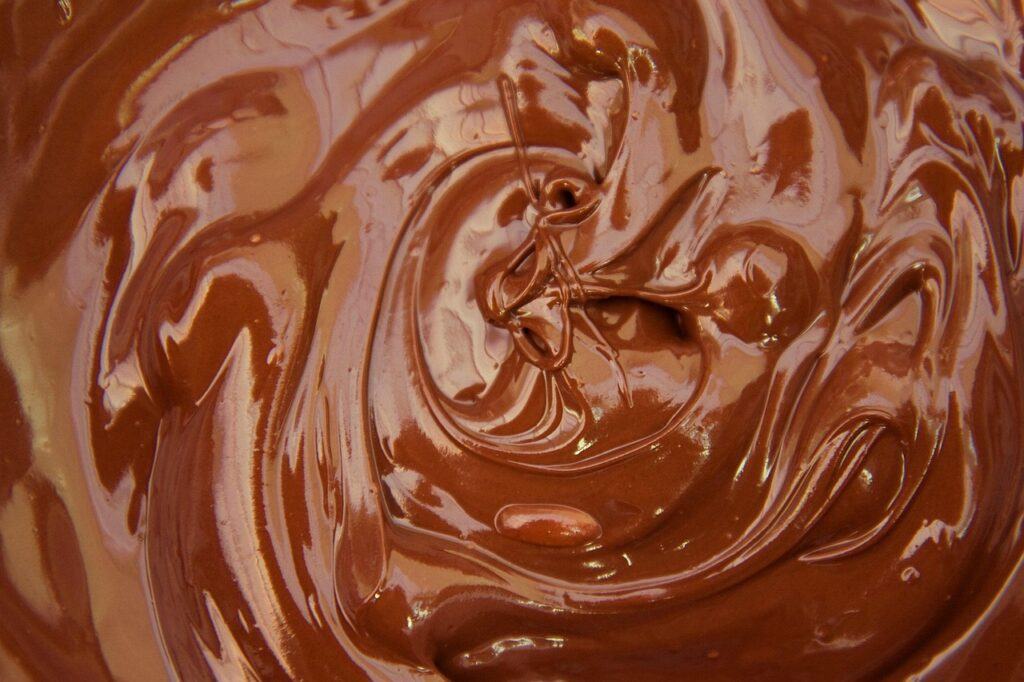
Tempering chocolate is an absolute game-changer. It ensures your chocolate has that glossy finish and satisfying snap. By maintaining specific temperature ranges, you align the cocoa butter crystals just right. Skipping this step can leave you with dull, streaked chocolate, and that’s no treat!
Knowing your chocolate types is crucial. Dark, milk, or white – each has its personality and purpose. Dark delivers intense flavor, milk brings creaminess, while white chocolate is all about sweetness. Picking the right type can make or break your recipe.
Equipping yourself properly can save a lot of headaches. Having a reliable candy thermometer, a double boiler, and quality spatulas makes a huge difference. And don’t skimp on ingredients – always go for high-quality chocolate if you want top-notch results.
Identifying Common Chocolate Making Mistakes
Melting chocolate can trip up even the best of us. Stick it in the microwave or stovetop without care, and you might end up with a burnt mess. Low and slow is the way to go. It’s all about gently heating to keep those flavors intact and the texture smooth.
Temperature is a silent but deadly adversary in chocolate-making. Go too high or too low, and you’ll end up with chocolate that just won’t set right. Investing in a good thermometer helps keep things on track and makes a world of difference.
Beating chocolate: not as tough as it sounds, but mess it up, and you’ll notice. Over-beating can lead to unwanted air bubbles, giving your chocolate that annoying crumbly feel instead of smooth perfection. It’s all about knowing when to stop before it’s too late.
Effective Troubleshooting Strategies
Seized chocolate can seem like a disaster, but it’s not over yet. Adding a bit of melted cocoa butter or vegetable oil can help loosen it up. Stir gently, and see that glossy finish slowly reappear.
A grainy texture is usually due to overheating or mixing the chocolate too vigorously. Bringing back smoothness might require careful reheating over a double boiler while slowly stirring. Patience is key here.
Crystallization, or sugar bloom, is quite common. It happens when chocolate is exposed to moisture while setting. To avoid this, ensure a dry environment and airtight storage. If it’s already happened, remelting the chocolate properly usually does the trick.
Balancing Art and Science in Chocolate Crafting
Chocolate making isn’t just about following a recipe; it’s a blend of science and a touch of magic. Experience plays a huge part in knowing when your chocolate is just right. Trusting your instincts can lead to some of the best creations.
Mixing creativity with precise science opens up a world of possibilities. Don’t be afraid to experiment with flavors and textures. Adding spices or different ingredients can elevate your chocolate from the ordinary to unforgettable.
Learning from top chocolatiers can provide a treasure trove of knowledge. Many professionals credit their success to endless trials and even mistakes. Their tales often highlight the value of persistence and creativity in achieving excellence.